Legends: Where Folklore Takes Root
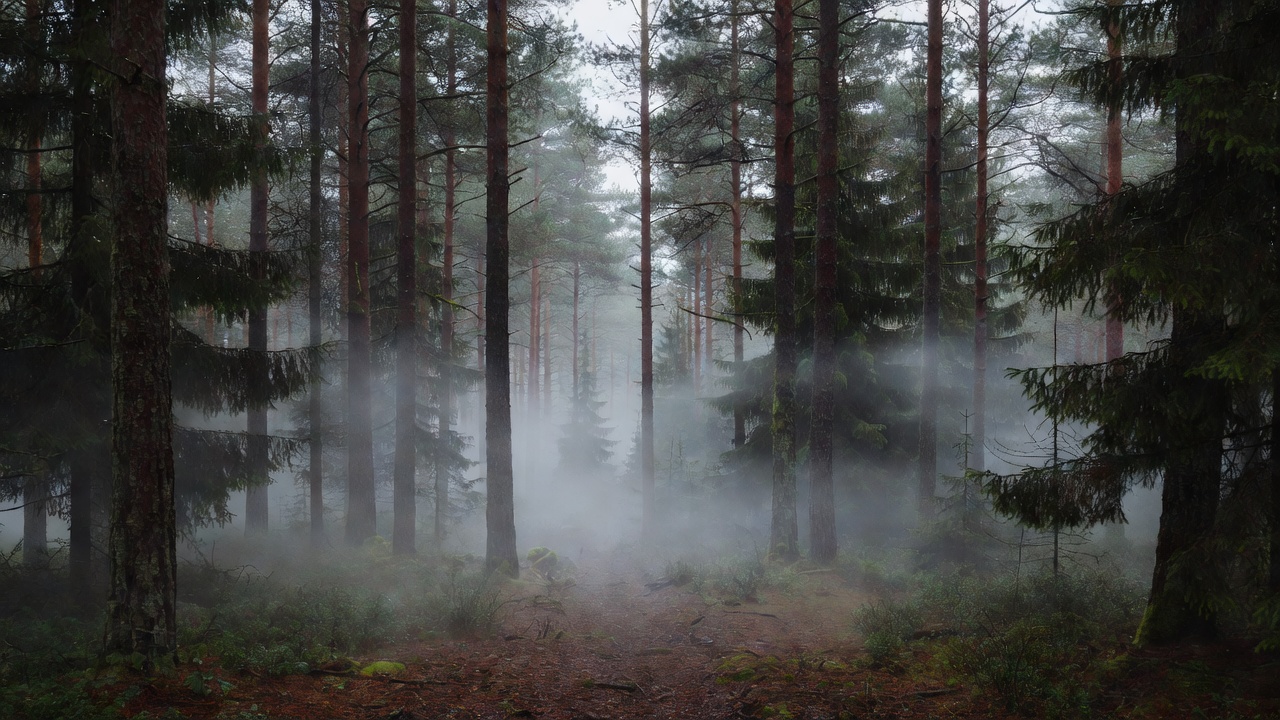
Nordic folklore was never an abstract collection of fairy tales for bedtime reading. In isolated rural hamlets across Norway, Sweden, and Finland, supernatural narratives served as functional risk management: teaching children to avoid treacherous rivers, explaining sudden livestock disease, and maintaining order in subarctic conditions.
The Water Spirits: Nøkken and Fossegrim
In Norwegian and Swedish folklore, moving water had its own distinct spirit. Nøkken (known as Näcken in Sweden) inhabited still ponds, lakes, and marshes. Often portrayed as a handsome musician playing hypnotic melodies on a fiddle, or as a pale horse standing on the shoreline, his primary role in tales was tempting listeners into deep water where they would drown.
In contrast, Fossegrim inhabited rushing waterfalls and mill races. He was generally benevolent to those who approached him respectfully, agreeing to teach humans mastery over the hardingfele (Hardanger fiddle) in exchange for a proper sacrifice: specifically, a piece of smoked mutton stolen from the neighbor's storehouse on four consecutive Thursdays. Ethnologists point out that mill machinery was exceptionally dangerous to children; the fear of water spirits kept youths away from mill wheels without requiring adult supervision.
The Church Grim (Kyrkogrim)
One of the darkest traditions of post-Reformation Scandinavian lore involves the Kyrkogrim. According to folklore recorded across Denmark and southern Sweden, during the construction of medieval stone churches, an animal—frequently a black sheep, pig, or hound—was allegedly buried alive beneath the foundation stone or corner tower.
The spirit of this sacrificed creature was believed to guard the churchyard against grave robbers, vandalism, and malevolent wandering spirits. In Danish folklore, if a gravedigger noticed the earth shifting at twilight, they avoided the churchyard bell tower for fear of meeting the Kirkegrim.
The Anatomy of Scandinavian Folk Spirits
| Creature | Domain | Distinguishing Feature | Ecological Function |
|---|---|---|---|
| Huldra / Skogsrå | Boreal Forests | Hollow back resembling rot; cow or fox tail | Explains disorientation and lost hunters in dense pine woods |
| Tomte / Nisse | Farmstead and Barn | Elderly bearded figure, temperamental temperament | Enforces humane treatment of farm animals and steady labour routines |
| Myling | Remote Bogs and Crossings | Spirit of an unbaptised, abandoned infant | Moral pressure against infanticide in impoverished rural communities |
| Draug | Open Stormy Seas | Headless fisherman sailing half a boat | Warning against sailing into Atlantic gales; explains drowned sailors lost at sea |
The Tomte: Pragmatism in the Barn
The Tomte (Sweden) or Fjøsnisse (Norway) was not the jolly gift-distributing Santa Claus figure of modern retail marketing. He was an ancient spirit of the ancestral farmstead founder. Demanding quiet respect, hard work, and an annual bowl of porridge topped with a generous lump of butter on Christmas Eve, a neglected Tomte was believed to slap lazy farmhands or strangle livestock in their stalls.
This legend created a collective social contract: farmsteads had to maintain neat barns, regular feeding times, and respect animal welfare, or risk the supernatural retribution of the domestic guardian.