Facts: Ordinary Life, Odd Details
The Scandinavian approach to modern governance combines extensive social trust, rigorous administrative systems, and unusual statutory oddities forged by geography, climate, and deep language preservation.
Iceland’s Personal Names Committee (Mannanafnanefnd)
In Iceland, parents cannot simply invent any given name for their child. The Mannanafnanefnd (Personal Names Committee), established in 1991, reviews all names not previously recorded in the official Icelandic National Registry.
To be approved, a name must meet precise legal criteria: it must be capable of taking regular Icelandic grammatical case inflections (nominative, accusative, dative, and genitive), must contain only letters from the 32-letter Icelandic alphabet (excluding C, Q, W, and Z), and must not cause the child future embarrassment. While controversial among civil libertarians, the committee serves to protect the complex linguistic inflection system of old Norse that Icelanders can still read from 800-year-old sagas.
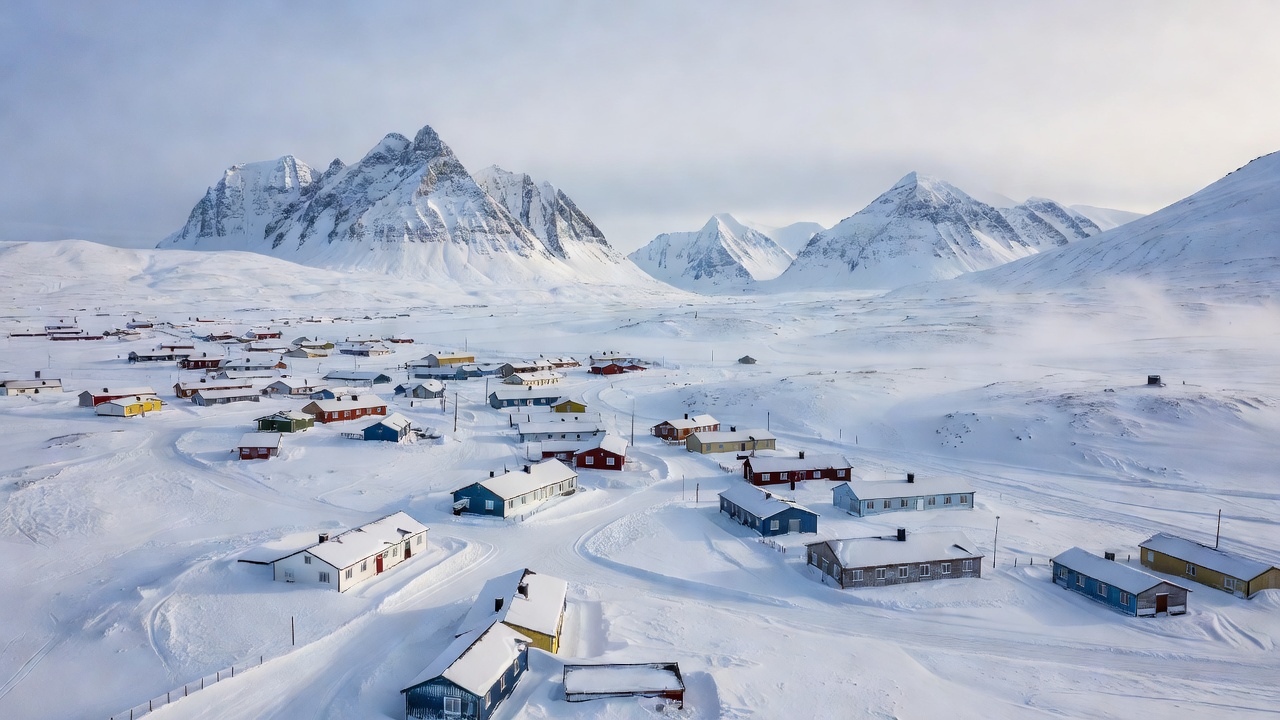
The Polar Regulations of Svalbard
The Arctic archipelago of Svalbard, governed under the Svalbard Treaty of 1920, has a collection of daily legal realities that puzzle visitors from temperate climates:
Mandatory Polar Bear Protection
Anyone leaving the perimeter of Longyearbyen is required by law to carry a firearm (typically a high-powered rifle of minimum .308 calibre) and flare gun deterrents to protect against polar bear attacks.
Prohibition on Local Burials
Because the subsoil is permanent permafrost, buried corpses do not decompose and will eventually be pushed to the surface by frost heave. People nearing end of life or who pass away on the island are transported to mainland Norway for interment.
Total Ban on Domestic Cats
To safeguard fragile populations of Arctic birds and ground-nesting ptarmigans, cats have been strictly prohibited throughout Svalbard since 1992.
Finnish Saunakerroin: Saunas Outnumbering Private Cars
Finland contains an estimated 3.3 million saunas for a population of roughly 5.5 million people. Saunas are found inside residential apartments, corporate headquarters, the Finnish Parliament building in Helsinki, and even inside overseas peacekeeping military camps.
Historically, the sauna was not a luxury spa treatment; it was the cleanest and most hygienic room on a Finnish farmstead. Women regularly gave birth inside saunas, sick patients were tended there, and the departed were prepared for burial. Today, sauna culture is recognized on UNESCO's Representative List of the Intangible Cultural Heritage of Humanity.
Allemansrätten: The Ancient Right of Public Access
In Sweden, Norway, and Finland, Allemansrätten grants all members of the public the legal right to walk, cross-country ski, cycle, camp for one night, and pick wild mushrooms and berries on any land—whether public or privately owned—provided they cause no damage, do not disturb wildlife, and stay outside the immediate residential garden zone (hemfridszon) of private residences.
Understanding Civic Scandinavian Oddities
These practices are not mere eccentricities; they reflect a pragmatic social structure built around mutual civic trust, survival in harsh climatic conditions, and a balance between communal nature access and strict social responsibility.
Got Questions? Check Our FAQ →